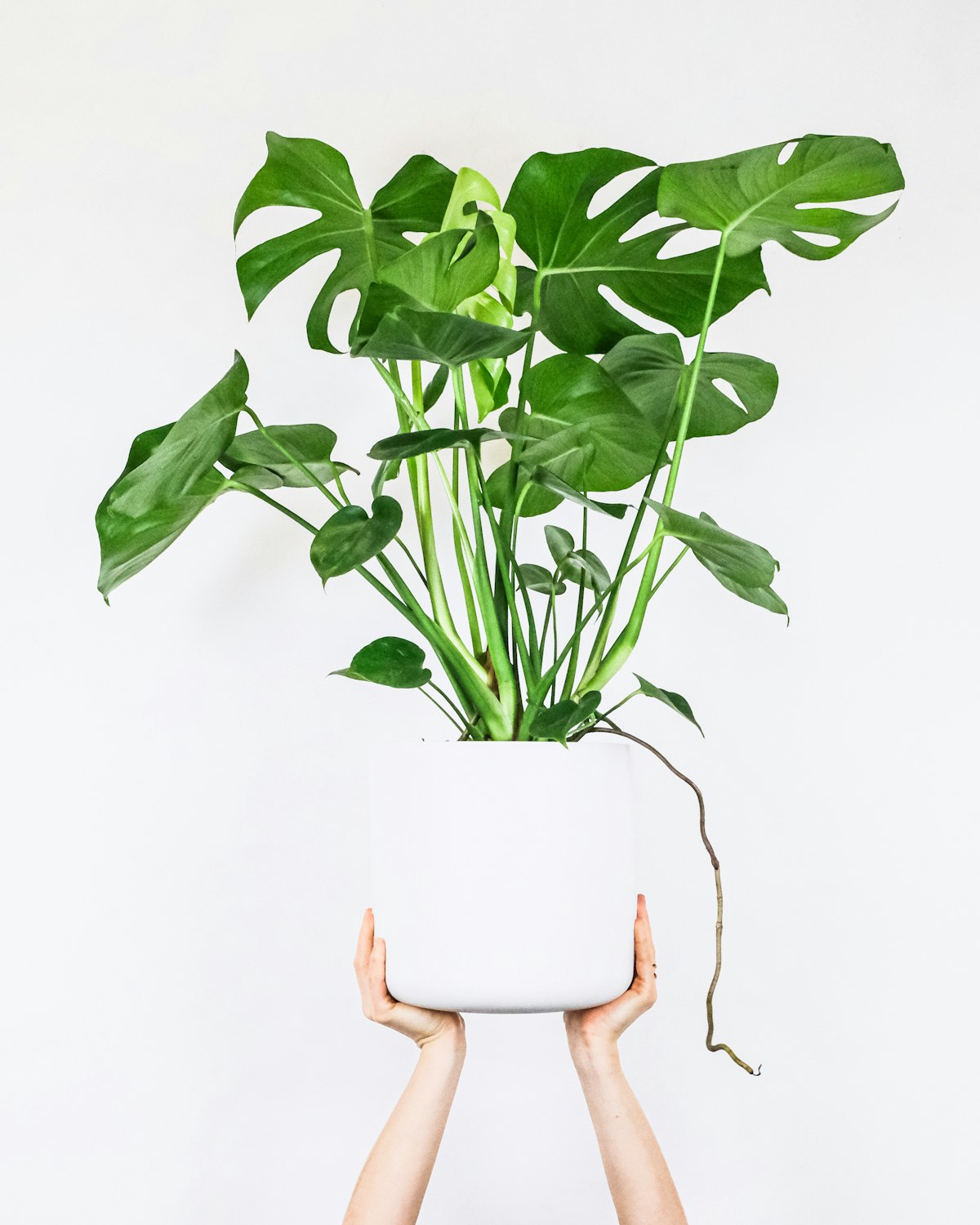
Care guide
Monstera deliciosa care guide: light, water, soil, and fenestration basics
Monstera deliciosa is the big split-leaf plant that took over living rooms for a reason. It looks architectural, climbs when you let it, and grows fast in the right light. It also yellows, stalls, and sulks when people treat it like a low-light plastic prop.
This guide covers light, water, soil, humidity, common problems, propagation, and US climate notes. Yellow leaf deep dive: Monstera yellow leaves. New plant week: free new plant checklist. Choosing another plant for a bright room? Browse the shop.
Educational note: Educational plant care only. Not a substitute for local horticultural advice.
Light
Monstera wants bright indirect light. That is the single biggest growth lever after you stop drowning the roots.
Best: near an east or west window, or a south window with sheer filtering. A few feet back from strong glass often works.
OK: medium bright rooms where shadows are soft but the room is clearly daylit.
Poor long-term: deep corners and windowless rooms. You may keep it alive; you will not get large fenestrated leaves.
Avoid: hours of harsh unfiltered midday sun on leaves that lived indoors, which can bleach or burn.
Fenestrations (the splits and holes) show up more reliably with age, good light, and adequate energy. A juvenile plant in dim light can stay solid-leaved for a long time. That is not always a disease; it is often a light and maturity story.
Rotate the pot so the plant does not permanently lean. Wipe dust off large leaves so they can actually use the light you give them.
Water
Monstera likes a thorough watering when the top ~2 inches of mix are dry and the pot feels lighter. Then drain. Empty the saucer.
It is not a cactus. It is also not a marsh plant. The failure mode we see most is wet, dense soil in a decorative pot with no real drainage, especially in winter.
US-default check rhythm (verify with fingers, not only the calendar)
| Conditions | What to expect |
|---|---|
| Bright, warm, chunky mix | Faster dry-down; check more often |
| Medium light, average pot | Moderate intervals |
| Low light, large pot, winter | Long gaps; overwatering risk high |
If leaves yellow and the pot stays heavy, read Monstera yellow leaves and fix moisture before you fertilize. A dated note of pot weight and leaf change is enough to spot a pattern.
Soil
Use an airy mix. A practical aroid-style blend:
- Quality potting mix as a base
- Chunky perlite or pumice
- Orchid bark or similar coarse organic pieces
The goal is moisture with oxygen. Dense peat bricks hold water against the roots until they rot.
Pot: drainage hole required. Size up one notch when root-bound. A huge decorative planter filled with wet soil is a common Monstera trap.
Repot in spring or early summer when growth is active. If you must repot in winter because of rot, prioritize root health over aesthetics.
Humidity
Monstera appreciates 40–60% relative humidity but often adapts to typical US homes. Very dry winter heat can mean crispy edges and happier spider mites. Grouping plants or running a humidifier helps more than misting that evaporates in minutes.
Keep leaves off freezing glass. Avoid hot air vents blasting the foliage.
Temperature
Roughly 65–85°F (18–29°C) is a comfortable band. Protect from cold drafts. Growth slows in cool, dark months; water less when growth slows.
Support and shape
Monstera is a climber. A moss pole, stake, or sturdy support encourages larger leaves and a more upright habit. Aerial roots can attach to moist poles; they also wander. You can tuck them into the pot or let them grip support.
Prune to control size. Cut just above a node. You can propagate healthy cuttings (see below). Wear gloves if the sap bothers your skin; rinse sap off skin and surfaces.
Feeding
In the growing season, a balanced houseplant fertilizer at half strength every 4–6 weeks suits most indoor setups. Reduce or stop in winter. Do not feed a plant with rotting roots or one that just suffered a hard repot.
Salt crust on the soil means flush with plain water and ease up.
Common problems
Yellow leaves
Often water, light, or aging lower leaves. Full diagnostic: Monstera yellow leaves.
Brown crispy edges
Dry air, inconsistent water, or salt. Check humidity and flushing; do not assume more fertilizer will fix burn.
No fenestrations
Youth, low light, or low energy. Improve light; be patient with young plants.
Leggy petioles, small leaves
Need more light.
Pests
Spider mites, thrips, mealybugs, and scale show up on big leaves that are easy to miss underneath. Isolate and identify before treating. Wipe leaves during weekly checks.
Root rot
Mushy roots, sour smell, collapse. Trim, repot into chunky mix, correct watering. Recovery takes time.
Drooping
Can be thirst, overwatering damage, or cold. Check soil weight and root health before you pour more water.
Propagation pointer
Node cuttings with a healthy leaf and aerial root (when present) root well in water or chunky substrate. Keep warm and bright indirect. Pot up when roots are established. Division is possible on multi-stem plants at repot time.
For propagation, keep dates and pot-up notes in a simple log. Water-prop habits transfer from pothos; see Propagate pothos in water for the general water method mindset, then adjust for Monstera’s thicker cuttings.
Toxicity note (household)
Monstera is commonly listed as toxic if chewed (calcium oxalates). Keep away from pets and kids who bite plants. Seek professional help for suspected ingestion. Not medical advice.
Climate note (US default)
- Winter north: low light + heater air = slow growth and easy overwatering. Move closer to windows; water less.
- Hot south/west glass: filter midday sun.
- Arid homes: humidity support for leaf edges; still allow top mix to dry between waterings.
- Humid southeast: chunky mix and airflow matter so pots do not stay swampy.
- Summer outdoors (optional): bright shade only in appropriate climates; harden off; check for pests before bringing back inside.
Local nurseries and extension offices know regional outdoor summering and pest pressure better than a national article.
Weekly and seasonal loop
Weekly: moisture check on bright plants, underside pest scan, rotate, dust large leaves.
Seasonally: reduce water in winter, increase light access, plan spring repots, reassess support as the plant climbs.
Care changes with the season and your window light. If you are adding another plant, browse the shop with that reality in mind. Free first week: checklist.
Quick care card
| Factor | Target |
|---|---|
| Light | Bright indirect |
| Water | Top ~2” dry, then thorough; drain |
| Soil | Chunky, airy aroid-style |
| Humidity | 40–60% ideal; average OK |
| Support | Stake or pole as it climbs |
| Feed | Half strength in growth season |
Monstera is not hard. It is honest. Give it light, airy soil, and a wet-to-partly-dry water cycle. Fix yellowing with diagnosis, not random products. The plant will tell you when you got it right: new leaves get bigger, and the splits show up.
Juvenile vs mature growth (why your leaves look “wrong”)
Young Monstera leaves are often smaller and solid. Splits and holes increase as the plant matures and receives enough light and energy. Buying a small plant and expecting museum-sized fenestrated leaves in a dim corner is how disappointment happens.
If you want larger, more divided leaves:
- Increase bright indirect light.
- Give a climbing support.
- Keep watering competent so roots can feed new growth.
- Wait through multiple new leaves; one leaf does not rewrite the plant’s history.
Variegated Monstera types (when you encounter them) are a different shopping and light conversation; this guide focuses on the common green Monstera deliciosa sold everywhere.
Aerial roots: keep, tuck, or trim?
Aerial roots are normal. They help the plant climb and can absorb a bit of moisture from the air or a moist pole.
Options
- Guide them toward a moss pole or stake
- Tuck a few into the pot if they are long and wild
- Trim if they are damaged or in the way (clean tools)
Do not panic-cut every aerial root thinking they are parasites. They are part of how the plant is built.
Watering walk-throughs by setup
Chunky mix, 8–10 inch pot, bright east window
Expect faster dry-down in summer. Check weekly; water when the top ~2 inches are dry.
Dense peat mix, large decorative planter, medium light
High yellow-leaf risk. Improve mix and drainage when you can. Water only after a real dry-down; winter intervals get long.
Grow light + warm room
Plant may grow year-round and drink more than a dark living room plant. Still use moisture cues, not a rigid app schedule.
Log and calibrate with a simple dated note. Yellow leaf diagnostics: Monstera yellow leaves.
Cleaning those big leaves
Dust on a Monstera is obvious and costly for light capture. Support the leaf with one hand and wipe with a damp cloth. Avoid heavy silicone leaf shines. Cleaning is also when you find mites and thrips early.
Staking without a fancy setup
You do not need a perfect moss pole on day one. A sturdy stake and soft ties can keep a leaning plant upright while you decide on a longer-term pole. Retie loosely as stems thicken. If the plant is top-heavy, check that the pot is wide and heavy enough to not tip.
Common shopping mistakes
- Buying the biggest plant that only fits a dark corner
- Keeping the nursery pot inside a sealed cachepot full of water
- Repotting into a huge pot “for growth” immediately
- Assuming yellow leaves always mean feed me
- Ignoring undersides because the top of the leaf looks fine
Seasonal care
Spring: growth ramps up; repot window; start light feeding if the plant is healthy.
Summer: watch water more often in bright spots; filter harsh sun; pests boom.
Fall: stretch water as light drops; last easy major pruning window for some homes.
Winter: less water, more light hunger, mite watch in dry heat. Full guide: Winter houseplant care. Recheck pot weight as the season changes.
Propagation notes specific to Monstera
A good cutting usually includes a node and preferably a leaf. Aerial root attached is a bonus. Water prop works; chunky substrate prop works. Keep warm and bright indirect. Pot up when roots are substantial.
Monstera cuttings are thicker than pothos. They still rot if left in filthy water with submerged leaf tissue. Change water, keep nodes submerged, leaves up, and note the dates. For water-prop habits, the pothos walkthrough is still useful mindset training: propagate pothos in water.
Space planning (these get big)
A happy Monstera becomes furniture. Plan:
- Vertical space for a pole
- Clearance from heaters and cold glass
- A pot you can still move for cleaning
- Willingness to prune when it outgrows the room
If you want a smaller, more forgiving plant before a giant Monstera, browse the shop and keep Monstera for a bright spot you can actually offer.
30-day tune-up for a struggling Monstera
Week 1: pest inspection; moisture and drainage audit; honest light assessment. Free intake structure: new plant checklist even if the plant is not brand new.
Week 2: implement one primary fix (usually light or water). Stop fertilizer if roots might be compromised.
Week 3: clean leaves; adjust support; continue moisture-based watering only.
Week 4: evaluate new growth points and any ongoing yellowing. If wet rot was the issue, stay patient; recovery is not overnight.
Disclaimer
Educational plant care only. Not a substitute for local horticultural advice, professional diagnosis, or medical or veterinary care.